

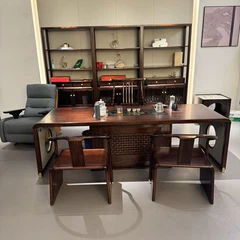

In recent years, there has been a growing global concern for environmental protection, leading consumers to make more eco - conscious choices in their purchases. As a supplier of Light Wood Kitchen Tables, I often get asked whether our products are eco - friendly. In this blog, I will delve into this question in detail, exploring various aspects related to the environmental friendliness of light wood kitchen tables.
The Source of Light Wood
The first factor to consider when evaluating the eco - friendliness of a light wood kitchen table is the source of the wood. Sustainable forestry practices play a crucial role here. When forests are managed sustainably, trees are harvested at a rate that allows for natural regeneration. This ensures that the forest ecosystem remains balanced, and the biodiversity is maintained.
Many of the light woods used in our Light Wood Kitchen Table are sourced from certified sustainable forests. Certification bodies such as the Forest Stewardship Council (FSC) set strict standards for forest management. These standards cover aspects like protection of wildlife habitats, prevention of illegal logging, and the rights of indigenous communities. When you purchase a light wood kitchen table from us, you can be assured that the wood has been sourced in an environmentally responsible manner.
Manufacturing Process
The manufacturing process of light wood kitchen tables also has a significant impact on their eco - friendliness. At our production facilities, we are committed to minimizing waste and reducing energy consumption. We use advanced cutting techniques that optimize the use of wood, ensuring that as little material as possible is wasted.
Moreover, we have invested in energy - efficient machinery. These machines not only reduce our carbon footprint but also lower the overall energy costs associated with production. In addition, we use water - based finishes on our light wood kitchen tables. Water - based finishes are less toxic compared to traditional solvent - based finishes. They emit fewer volatile organic compounds (VOCs) into the atmosphere, which is beneficial for both the environment and the health of consumers.
Durability and Longevity
One of the key aspects of eco - friendly products is their durability. A light wood kitchen table that lasts for a long time reduces the need for frequent replacements, which in turn saves resources. Our light wood kitchen tables are built to last. We use high - quality wood and sturdy construction methods to ensure that our tables can withstand the rigors of daily use.


When a product has a long lifespan, it also has a lower environmental impact over its entire life cycle. Consider the alternative: if you were to purchase a cheap, low - quality table that needs to be replaced every few years, more resources would be consumed in the production of multiple tables. By choosing our durable light wood kitchen tables, you are making a sustainable choice.
End - of - Life Disposal
Another important consideration is what happens to the light wood kitchen table at the end of its useful life. Wood is a natural and biodegradable material. When a light wood kitchen table reaches the end of its life, it can be recycled or composted.
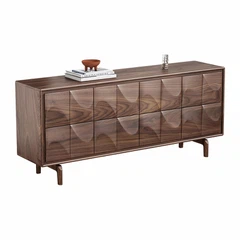
We encourage our customers to explore recycling options for their old light wood kitchen tables. Wood can be reused to make other products such as All Wood Sideboard or Solid Wood Credenza Sideboard. If recycling is not an option, the wood will break down naturally over time, unlike many synthetic materials that can take hundreds of years to decompose.
Comparison with Other Materials
To further understand the eco - friendliness of light wood kitchen tables, it is useful to compare them with tables made from other materials. For example, plastic tables are often made from non - renewable resources and can take a very long time to decompose. Metal tables may require a large amount of energy for production and can also be difficult to recycle.
In contrast, light wood is a renewable resource, and the production process of wood tables can be made more environmentally friendly through sustainable practices. Additionally, the natural look and feel of light wood add a warm and inviting touch to any kitchen, which is a bonus that many other materials cannot offer.
Environmental Benefits of Light Wood
Light wood has some inherent environmental benefits. Trees absorb carbon dioxide from the atmosphere during their growth, acting as carbon sinks. When the wood is used to make a kitchen table, it continues to store carbon. This means that by using light wood products, you are effectively helping to reduce the amount of carbon dioxide in the atmosphere.
Furthermore, the production of light wood kitchen tables can support local economies, especially in forest - rich regions. Sustainable forestry and woodworking industries provide jobs and contribute to the economic development of these areas.
Conclusion
In conclusion, light wood kitchen tables can be highly eco - friendly. From the sustainable sourcing of wood to the energy - efficient manufacturing process, from their long - lasting durability to their end - of - life disposal options, every aspect of our light wood kitchen tables is designed with the environment in mind.
If you are in the market for a new kitchen table and are concerned about the environmental impact of your purchase, I encourage you to consider our Light Wood Kitchen Table. Our commitment to sustainability ensures that you are not only getting a beautiful and functional piece of furniture but also making a positive contribution to the environment.
We are always open to discussions with potential customers about our products and our sustainability practices. If you have any questions or would like to discuss a potential purchase, please feel free to reach out to us. We look forward to the opportunity to work with you and help you find the perfect light wood kitchen table for your home.
References
- Forest Stewardship Council (FSC) official documentation on forest management standards.
- Research papers on the environmental impact of different furniture materials.
- Industry reports on sustainable manufacturing practices in the woodworking industry.