

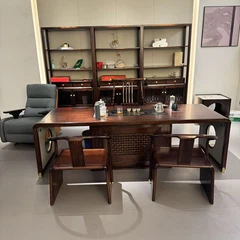

As a supplier of wooden media cabinets, I've encountered numerous inquiries from customers regarding the susceptibility of these cabinets to cracking. This concern is quite understandable, as wooden furniture is a significant investment, and no one wants to see their cabinets develop unsightly cracks over time. In this blog post, I'll delve into the factors that contribute to cracking in wooden media cabinets and provide insights on how to prevent it.
Understanding the Nature of Wood
Wood is a natural material, and like all natural materials, it has its own unique characteristics and behaviors. One of the most important things to understand about wood is its ability to absorb and release moisture. This process, known as hygroscopicity, causes the wood to expand and contract as the humidity levels in the environment change. When the humidity is high, the wood absorbs moisture and expands; when the humidity is low, the wood releases moisture and contracts.
This natural expansion and contraction can put stress on the wood, which can lead to cracking if the stress is too great. The amount of stress that the wood can withstand depends on several factors, including the type of wood, the thickness of the wood, and the construction of the cabinet.


Types of Wood and Their Susceptibility to Cracking
Not all woods are created equal when it comes to cracking. Some woods are more prone to cracking than others due to their density, grain pattern, and natural moisture content. Here are some common types of wood used in media cabinets and their susceptibility to cracking:
- Oak: Oak is a popular choice for wooden furniture due to its strength, durability, and attractive grain pattern. It is relatively resistant to cracking, but it can still be affected by changes in humidity.
- Maple: Maple is another strong and durable wood that is less prone to cracking than some other woods. It has a tight grain pattern and a relatively low natural moisture content, which makes it more stable.
- Cherry: Cherry is a beautiful wood with a rich color and a smooth grain pattern. It is moderately resistant to cracking, but it can be more susceptible to damage if it is exposed to extreme changes in humidity.
- Pine: Pine is a softwood that is less dense and more porous than hardwoods like oak and maple. It is more prone to cracking, especially if it is not properly dried and treated before use.
Factors That Contribute to Cracking in Wooden Media Cabinets
In addition to the type of wood, there are several other factors that can contribute to cracking in wooden media cabinets. These include:
- Humidity Fluctuations: As mentioned earlier, changes in humidity can cause the wood to expand and contract, which can put stress on the cabinet and lead to cracking. This is especially true if the cabinet is exposed to extreme humidity fluctuations, such as those that occur in a basement or a bathroom.
- Temperature Changes: Extreme temperature changes can also cause the wood to expand and contract, which can lead to cracking. This is particularly true if the cabinet is placed near a heat source, such as a fireplace or a radiator.
- Poor Construction: If the cabinet is not properly constructed, it may be more prone to cracking. This can include using low-quality wood, improper joinery, or inadequate support.
- Overloading: If the cabinet is overloaded with heavy items, it can put stress on the wood and cause it to crack. This is especially true if the cabinet is not designed to support the weight of the items.
- Exposure to Sunlight: Prolonged exposure to sunlight can cause the wood to dry out and become brittle, which can increase the risk of cracking. This is particularly true if the cabinet is placed near a window or in a room with a lot of sunlight.
Preventing Cracking in Wooden Media Cabinets
While it is impossible to completely eliminate the risk of cracking in wooden media cabinets, there are several steps you can take to minimize the risk. These include:
- Maintain a Stable Humidity Level: To prevent the wood from expanding and contracting too much, it is important to maintain a stable humidity level in the room where the cabinet is located. This can be achieved by using a humidifier or a dehumidifier, depending on the climate.
- Avoid Extreme Temperature Changes: Try to keep the cabinet away from heat sources and direct sunlight, as these can cause the wood to dry out and become brittle. If possible, place the cabinet in a room with a consistent temperature.
- Choose High-Quality Wood: When purchasing a wooden media cabinet, choose a high-quality wood that is known for its strength and durability. Avoid using softwoods or woods that are prone to cracking.
- Ensure Proper Construction: Make sure the cabinet is properly constructed with high-quality materials and good joinery. Look for cabinets that have solid wood frames and dovetail joints, as these are more durable and less likely to crack.
- Do Not Overload the Cabinet: Do not overload the cabinet with heavy items, as this can put stress on the wood and cause it to crack. Make sure the cabinet is designed to support the weight of the items you plan to store in it.
- Use a Protective Finish: Applying a protective finish to the cabinet can help to seal the wood and prevent it from drying out. This can reduce the risk of cracking and extend the life of the cabinet.
Conclusion
In conclusion, while wooden media cabinets are generally durable and long-lasting, they are still susceptible to cracking under certain conditions. By understanding the factors that contribute to cracking and taking steps to prevent it, you can ensure that your wooden media cabinet remains in good condition for many years to come.
If you are in the market for a high-quality wooden media cabinet, I invite you to explore our selection of products. We offer a wide range of styles and sizes to suit your needs and preferences. Our cabinets are made from the finest quality woods and are expertly crafted to ensure durability and longevity.
For more information about our products, please visit our website and check out our Real Wood Shoe Storage Cabinet, Woven Lounge Chair Outdoor, and Plant Pot On Wooden Stand. If you have any questions or would like to discuss your specific requirements, please feel free to contact us. We look forward to working with you to find the perfect wooden media cabinet for your home.
References
- "Wood Science and Technology." Edited by R. F. Panshin and C. de Zeeuw. McGraw-Hill, 1980.
- "The Wood Handbook: Wood as an Engineering Material." Forest Products Laboratory. U.S. Department of Agriculture, 1999.
- "Understanding Wood: A Craftsman's Guide to Wood Technology." R. Bruce Hoadley. Taunton Press, 2000.