

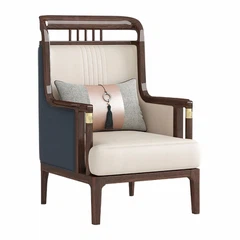
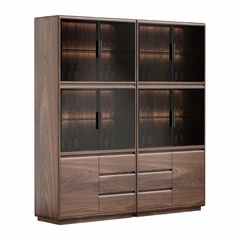
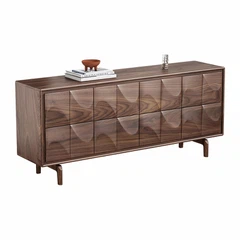
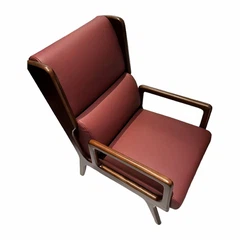
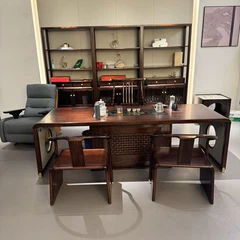

Hey there! As a supplier of office room bookshelves, I get asked all the time about how to choose the right type of wood for these essential pieces of furniture. It's a big decision, as the wood you pick can affect not only the look of your bookshelf but also its durability and price. So, let's dive into the world of wood and figure out what's best for your office bookshelf.
Understanding Different Types of Wood
First off, there are two main categories of wood: hardwood and softwood. Hardwoods come from deciduous trees, which lose their leaves seasonally. They're known for being dense, strong, and long - lasting. Softwoods, on the other hand, come from coniferous trees and are generally lighter and less expensive.
Hardwoods
- Oak: Oak is a classic choice for office bookshelves. It's incredibly strong and has a beautiful grain pattern that gives a traditional and elegant look. There are different types of oak, like red oak and white oak. Red oak has a more open grain and a slightly pinkish - red hue, while white oak is a bit more water - resistant and has a warmer, golden color. If you want a bookshelf that will last for generations and add a touch of sophistication to your office, oak is a great option. You can check out our Solid Wood Book Case made from high - quality oak.
- Maple: Maple is another popular hardwood. It's very hard and has a fine, even grain. It takes stains well, so you can customize the color of your bookshelf to match your office decor. Maple is also resistant to wear and tear, making it suitable for a busy office environment where the bookshelf will be used frequently.
- Walnut: Walnut is a premium hardwood. It has a rich, dark color that ranges from chocolate brown to purplish - black. The grain is often wavy and very beautiful, giving the bookshelf a luxurious appearance. Walnut is also quite strong and durable. If you have a high - end office and want to make a statement, a walnut bookshelf is the way to go. You might also be interested in our Natural Walnut Desk to complement your bookshelf.
Softwoods
- Pine: Pine is a common softwood used for furniture. It's relatively inexpensive and has a light, natural color with a distinct grain pattern. Pine is easy to work with, so it can be used to create more intricate designs. However, it's not as hard as hardwoods, so it may show scratches and dents more easily. But if you're on a budget and still want a rustic - looking bookshelf for your office, pine can be a good choice.
- Cedar: Cedar has a pleasant aroma and is naturally resistant to insects and decay. It has a warm, reddish - brown color and a straight grain. While it's not as strong as some hardwoods, it can be a good option for a bookshelf in a less - trafficked area of the office or if you want to add a natural, outdoorsy feel to the space.
Factors to Consider When Choosing Wood
Durability
If your office is a high - traffic area and the bookshelf will be constantly used, you'll want a durable wood like oak or maple. These hardwoods can withstand the weight of books, the constant opening and closing of shelves, and the occasional bump. Softwoods like pine may not hold up as well over time, especially if they're used in a rough environment.
Aesthetic Appeal
Think about the overall look you want for your office. Do you prefer a traditional, classic look? Then oak or walnut might be your best bet. If you're going for a more modern, minimalist look, maple with its clean lines and fine grain could be perfect. And if you like a rustic or natural feel, pine or cedar would fit the bill.
Cost
Your budget is an important factor. Hardwoods are generally more expensive than softwoods. Oak and walnut, being premium hardwoods, can be quite costly. If you're on a tight budget, pine is a more affordable option. But remember, you often get what you pay for in terms of durability and appearance.
Maintenance
Some woods require more maintenance than others. For example, walnut may need to be oiled or treated periodically to maintain its rich color and prevent drying out. Pine may need to be sanded and refinished more often if it gets scratched. Consider how much time and effort you're willing to put into maintaining your bookshelf when choosing the wood.
Other Considerations
Sustainability
In today's world, it's important to think about where your wood comes from. Look for wood that is certified as sustainable, such as wood from forests that are managed responsibly. This ensures that the environment is being protected and that the wood is sourced in an ethical way.
Finish
The finish you choose for your bookshelf can also affect its appearance and durability. A clear finish will let the natural beauty of the wood shine through, while a stained finish can change the color of the wood. There are also different types of protective finishes, like polyurethane, which can make the bookshelf more resistant to scratches and spills.
Conclusion
Choosing the right type of wood for your office room bookshelf is a personal decision that depends on your budget, the look you want, and how you plan to use the bookshelf. As a supplier, we offer a wide range of options in different woods to meet your needs. Whether you're looking for a classic oak bookshelf, a modern maple one, or a rustic pine piece, we've got you covered.
If you're interested in purchasing an office room bookshelf or have any questions about the wood options, feel free to reach out for a procurement discussion. We're here to help you make the best choice for your office.


References
- "The Wood Database: A Comprehensive Guide to Woods of the World"
- "Furniture Making: Materials and Techniques"