

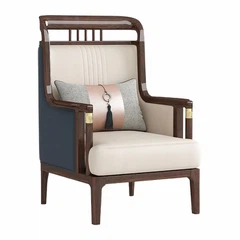
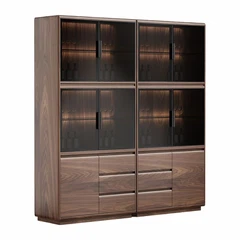
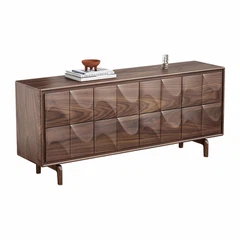
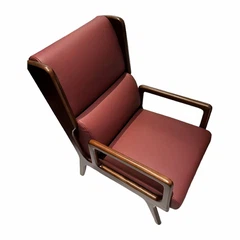
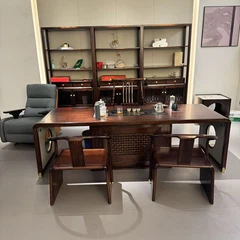

Hey there! As a supplier of Office Room Bookshelves, I've seen firsthand how a well - integrated bookshelf can transform an office space. In this blog, I'll share some tips on how to make an office room bookshelf blend in with the office furniture.
1. Consider the Style
First off, style is key. You don't want your bookshelf to stick out like a sore thumb. The overall style of your office furniture sets the tone. If you have a modern office with sleek, minimalist furniture, you'll want a bookshelf that fits that aesthetic. For example, a bookshelf with clean lines, simple shapes, and a neutral color palette would be a great choice.
On the other hand, if your office has a more traditional look with rich wood tones and ornate details, a bookshelf with similar features would be the way to go. Look for bookshelves with carved details, turned legs, and a warm wood finish.
When you're browsing for a bookshelf, think about the existing furniture in your office. For instance, if you have a Wide Wooden Desk with a certain wood grain or color, try to find a bookshelf that complements it. You can also consider the style of the Modern Solid Wood Chair in your office. If the chairs have a contemporary design, a bookshelf with a similar modern touch will create a cohesive look.
2. Match the Color Scheme
Color plays a huge role in making your bookshelf blend in. You can either match the color of the bookshelf to the dominant color in your office furniture or choose a complementary color.
If your office furniture is mostly a light color, like white or light wood, a bookshelf in a similar light shade will create a harmonious look. This gives the impression of a unified space. For example, if your desks and chairs are made of light oak, a light oak bookshelf will fit right in.
On the flip side, if you want to add a bit of contrast, you can choose a complementary color. For an office with dark - colored furniture, a light - colored bookshelf can add a pop of brightness. However, make sure the contrast isn't too extreme, or it might look out of place.
3. Pay Attention to Size and Proportion
The size and proportion of your bookshelf are crucial. You don't want a bookshelf that's too big or too small for the space. Measure the area where you plan to place the bookshelf and consider the height, width, and depth.
If your office is small, a tall and narrow bookshelf might be a better option as it takes up less floor space. On the other hand, if you have a large office, you can go for a wider and more substantial bookshelf.
Also, think about the proportion of the bookshelf in relation to the other furniture. For example, if you have a large desk, a bookshelf that's about the same height or slightly taller can create a balanced look.
4. Incorporate Functionality
A bookshelf isn't just for looks; it also needs to be functional. Consider how you'll use the bookshelf. If you have a lot of books, you'll need a bookshelf with multiple shelves and enough space to store them. You might also want to look for a bookshelf with adjustable shelves so you can customize the space according to your needs.
If you plan to use the bookshelf to store other items like files, binders, or office supplies, make sure it has compartments or drawers for easy organization. A bookshelf that combines both storage and display functions can be a great addition to your office.
5. Placement is Everything
Where you place your bookshelf can make a big difference in how it blends in. You can place it against a wall to create a focal point or use it to divide a large office space.
If you have a corner in your office, placing a corner bookshelf can make use of the otherwise wasted space. It also adds a unique touch to the room.
When placing the bookshelf, make sure it doesn't block any important pathways or views. You want it to be accessible and not disrupt the flow of the office.
6. Accessorize
Accessorizing your bookshelf can help it blend in and add a personal touch to your office. You can add decorative items like plants, photo frames, or small sculptures. Just make sure not to overdo it. A few well - placed accessories can enhance the look of the bookshelf without making it look cluttered.
For example, if your office has a nature - inspired theme, you can add some small potted plants to the bookshelf. This not only adds a touch of greenery but also ties in with the overall theme.
7. Use Lighting
Lighting can make a huge difference in how your bookshelf looks. You can use task lighting, such as a desk lamp, to illuminate the bookshelf. This not only makes it easier to find what you're looking for but also adds a warm and inviting atmosphere.
You can also consider installing strip lights inside the bookshelf to highlight the books and decorative items. This creates a visually appealing effect and makes the bookshelf stand out in a good way.


Why Choose Our Office Room Bookshelf
At our company, we offer a wide range of Office Room Bookshelves that are designed to blend in with various office furniture styles. Our bookshelves are made from high - quality materials, ensuring durability and long - term use.
We understand the importance of creating a cohesive office space, and our bookshelves are designed with that in mind. Whether you have a modern, traditional, or eclectic office, we have a bookshelf that will fit right in.
If you're interested in purchasing an office room bookshelf that will blend seamlessly with your office furniture, don't hesitate to reach out. We're here to help you find the perfect bookshelf for your needs.
Conclusion
Making an office room bookshelf blend in with the office furniture is all about considering style, color, size, functionality, placement, accessorizing, and lighting. By following these tips, you can create a harmonious and functional office space.
If you have any questions or need more information about our Office Room Bookshelves, feel free to contact us. We're looking forward to working with you to transform your office.
References
- Interior Design: Principles and Practice by Francis D. K. Ching
- Office Furniture Design: A Guide to Creating Functional Spaces by John Smith