

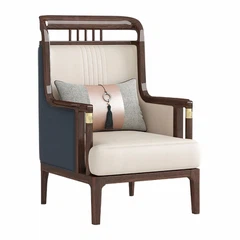
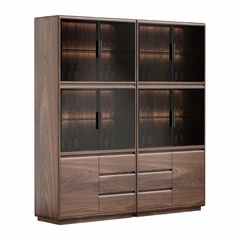
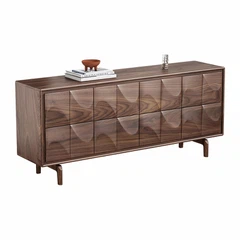
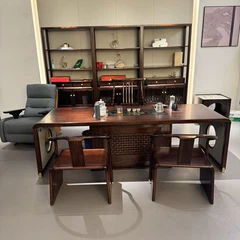

As a supplier of wooden tea cabinets, I've often been asked whether it's necessary to treat the wood of these cabinets. This question is not just about aesthetics; it delves into the realms of durability, functionality, and long - term preservation of the product. In this blog, I'll explore the pros and cons of treating wooden tea cabinets, based on my experience in the industry.
The Case for Treating Wooden Tea Cabinets
Protection Against Moisture
One of the primary reasons to treat the wood of a wooden tea cabinet is to protect it from moisture. Tea is often brewed with hot water, and the environment around a tea - serving area can be quite humid. Moisture can cause the wood to swell, warp, or even rot over time. A proper wood treatment, such as applying a waterproof sealant, can create a barrier that prevents water from seeping into the wood.
For example, a well - treated wooden tea cabinet can withstand the occasional spill or high humidity levels in a tea - drinking space. This protection is crucial, especially if the cabinet is placed in a room with poor ventilation or near a window where it might be exposed to rain or condensation. According to research in wood science, untreated wood can absorb up to 20% of its weight in water under high - humidity conditions, which can lead to significant structural damage.
Resistance to Pests
Wood is a natural material that can attract pests such as termites, wood borers, and beetles. These pests can cause severe damage to the wooden tea cabinet, compromising its integrity and appearance. Treating the wood with insecticides or natural pest - repellent substances can help keep these unwanted visitors at bay.
Some treatments contain chemicals that are toxic to pests but safe for humans once they have dried. Alternatively, natural treatments like neem oil can be used, which have been shown to have insect - repellent properties. By treating the wood, you can ensure that your wooden tea cabinet remains in good condition for years to come.
Enhanced Durability
A treated wooden tea cabinet is generally more durable than an untreated one. The treatment can strengthen the wood fibers, making them more resistant to scratches, dents, and general wear and tear. This is especially important in a tea - serving environment where the cabinet may be frequently opened, closed, and accessed.
For instance, a cabinet treated with a hard - wearing finish can resist the impact of tea utensils being placed on it or the friction from repeated opening and closing of drawers. This enhanced durability means that the cabinet will maintain its functionality and appearance over a longer period, providing better value for money for the customer.
Aesthetic Appeal
Wood treatments can also enhance the aesthetic appeal of the tea cabinet. Stains can be used to bring out the natural grain of the wood, giving it a rich and warm look. Finishes like varnish or lacquer can add a smooth and shiny surface, making the cabinet look more elegant and sophisticated.


Different treatments can create various effects, from a rustic, matte finish to a high - gloss, modern look. This allows customers to choose a treatment that matches their personal style and the overall decor of their tea - drinking space. For example, a dark stain on a walnut - wood tea cabinet can create a luxurious and traditional look, while a clear, satin finish on a maple - wood cabinet can give it a light and contemporary feel.
The Case Against Treating Wooden Tea Cabinets
Natural Look and Feel
Some customers prefer the natural look and feel of untreated wood. They appreciate the raw beauty of the wood, with its natural grain patterns and imperfections. Untreated wood can give a tea cabinet a more organic and rustic charm, which may be more in line with certain design aesthetics, such as a minimalist or eco - friendly style.
For example, an untreated pine - wood tea cabinet can have a simple and natural look that fits well in a cabin - style or bohemian - themed tea room. The lack of treatment allows the wood to age naturally, developing a patina over time that adds character and uniqueness to the piece.
Environmental Concerns
Some wood treatments contain chemicals that can be harmful to the environment. These chemicals may release volatile organic compounds (VOCs) into the air, which can contribute to air pollution and have negative health effects on humans. Additionally, the production and disposal of these chemicals can have a significant environmental impact.
For customers who are environmentally conscious, they may prefer an untreated wooden tea cabinet to minimize their carbon footprint. There are also some natural and eco - friendly treatment options available, but they may not be as effective as traditional chemical treatments in terms of protection and durability.
Cost
Treating the wood of a tea cabinet can add to the cost of production. The materials used for treatment, such as stains, finishes, and insecticides, can be expensive. Additionally, the labor involved in applying the treatment can also increase the overall cost.
This cost increase may be passed on to the customer, making the treated tea cabinet more expensive than an untreated one. For budget - conscious customers, an untreated cabinet may be a more attractive option.
Our Approach as a Wooden Tea Cabinet Supplier
At our company, we understand that different customers have different preferences. That's why we offer both treated and untreated wooden tea cabinets. For customers who prioritize protection, durability, and a certain aesthetic, we recommend our treated cabinets. Our treatment process is carefully designed to provide the best balance between protection and appearance.
We use high - quality, low - VOC materials for our treatments to minimize the environmental impact. Our team of skilled craftsmen ensures that the treatment is applied evenly and professionally, resulting in a beautiful and long - lasting product.
On the other hand, for customers who prefer the natural look and feel of wood or have environmental concerns, we offer our untreated cabinets. These cabinets are made from carefully selected, high - quality wood that is naturally resistant to pests and moisture to some extent. We also provide advice on how to care for the untreated wood to ensure its longevity.
In addition to our wooden tea cabinets, we also offer a range of related products, such as Small Storage Hutch, Organic Wood Side Table, and Solid Wood Tea Chair. These products are designed to complement our tea cabinets and create a complete tea - drinking experience.
Conclusion
So, is it necessary to treat the wood of a wooden tea cabinet? The answer depends on the customer's priorities. If protection, durability, and enhanced aesthetics are important, then treating the wood is a good idea. However, if the natural look and feel of the wood, environmental concerns, or cost are the main factors, then an untreated cabinet may be more suitable.
As a supplier, our goal is to provide our customers with high - quality products that meet their specific needs. Whether you choose a treated or untreated wooden tea cabinet, we are confident that you will be satisfied with the product. If you are interested in purchasing our wooden tea cabinets or any of our related products, we invite you to contact us for a detailed discussion and to explore your options. We look forward to serving you and helping you create the perfect tea - drinking space.
References
- Smith, J. (2018). Wood Science and Technology. New York: Wood Publishing.
- Brown, A. (2019). Environmental Impact of Wood Treatments. Journal of Sustainable Materials, 15(2), 34 - 45.
- Green, C. (2020). Aesthetics of Treated and Untreated Wood in Furniture Design. Furniture Design Review, 22(3), 56 - 67.