

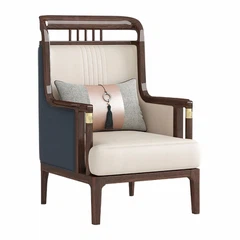
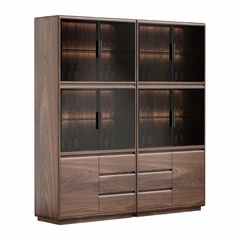
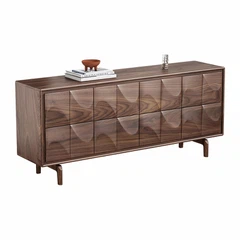
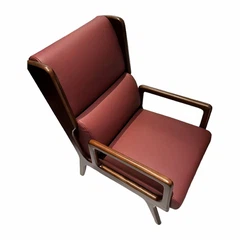
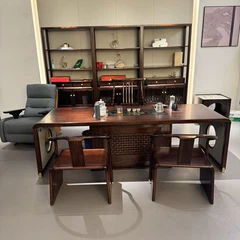

Hey there, tea lovers and furniture enthusiasts! As a supplier of wooden tea cabinets, I've always been super curious about where these amazing pieces of furniture actually come from. So, I've done some digging, and I'm excited to share what I've found with you.
Let's start at the very beginning. The use of wood for storage and display has been around for ages. In ancient times, people used wooden containers to keep their precious belongings safe. When it came to tea, which was considered a luxury item in many cultures, having a special place to store it was a must.


In Asia, especially in countries like China and Japan, tea has a long - standing cultural significance. The Chinese have been drinking tea for over 5,000 years. Back in the day, tea was stored in simple wooden boxes to protect it from moisture and pests. These early tea storage solutions were more about functionality than aesthetics. But as time went on, the art of tea drinking became more refined, and so did the containers used to store tea.
In China, the Ming and Qing dynasties were a golden age for furniture making. Skilled craftsmen started creating elaborate wooden tea cabinets. These cabinets were not only designed to keep tea fresh but also to be a beautiful addition to the tea - drinking space. They were often made from high - quality woods like mahogany and rosewood, which were known for their durability and beautiful grain patterns. These woods were also believed to have certain properties that could enhance the flavor of the tea stored inside.
In Japan, the tea ceremony, or Chanoyu, is a highly ritualized practice. The tea cabinets used in Japanese tea houses, called chadana, are designed to fit seamlessly into the minimalist and serene environment of the tea room. They are usually made from natural woods like cedar or cypress, which have a pleasant aroma that can add to the overall tea - drinking experience. The design of Japanese tea cabinets is simple yet elegant, with clean lines and a focus on functionality.
Moving over to Europe, the interest in tea started to grow in the 17th century. As tea became more popular, so did the demand for proper storage solutions. European wooden tea cabinets were often influenced by the local furniture styles. For example, in England, the Georgian and Victorian styles were reflected in the design of tea cabinets. These cabinets were often more ornate, with detailed carvings and inlays. They were also sometimes combined with other functions, like a place to store tea - brewing equipment.
Now, let's talk about the materials. As I mentioned earlier, different woods have been used to make tea cabinets throughout history. Mahogany, for instance, is a dense and durable wood that is resistant to rot and pests. It has a rich, reddish - brown color that darkens over time, giving the cabinet a classic and elegant look. Rosewood, on the other hand, has a beautiful, swirling grain pattern and a sweet, spicy aroma. It's also quite hard and stable, making it ideal for long - term tea storage.
In modern times, the design and function of wooden tea cabinets have continued to evolve. We now have cabinets that are designed to meet the needs of both home tea lovers and commercial tea shops. They come in a variety of styles, from traditional to contemporary, and can be customized to fit different spaces and preferences.
If you're in the market for a wooden tea cabinet, you might also be interested in some other wooden furniture pieces. Check out our Natural Wood Table and Chairs, which are perfect for creating a cozy tea - drinking area. Or, if you need a table for guests, our Table for Guest is a great option. And for those who want to display their tea collection in style, our Wooden Frame Mount can add a touch of elegance.
At our company, we take pride in offering high - quality wooden tea cabinets. We source our wood from sustainable forests to ensure that our products are environmentally friendly. Our skilled craftsmen pay attention to every detail, from the selection of the wood to the finishing touches. Whether you're looking for a traditional cabinet to match your antique tea set or a modern one to fit your contemporary home, we have something for you.
If you're interested in purchasing a wooden tea cabinet or have any questions, don't hesitate to get in touch. We're here to help you find the perfect cabinet for your tea - storage needs. Just reach out to us, and we'll be happy to start a conversation about your requirements.
In conclusion, the origin of wooden tea cabinets is deeply rooted in the rich history and culture of tea - drinking around the world. From the simple storage boxes of ancient times to the elaborate and stylish cabinets of today, these pieces of furniture have come a long way. And as the love for tea continues to grow, I'm sure that the wooden tea cabinet will continue to evolve and remain an important part of the tea - drinking experience.
References:
- "The History of Tea" by Mark Pendergrast
- "Japanese Tea Culture" by Andrew Rankin
- "European Furniture Styles" by John Gloag