

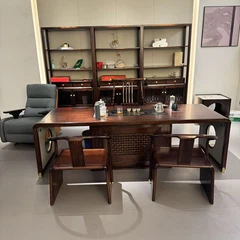

Hey there! I'm an oak tea table supplier, and I've seen firsthand how different climates can really mess with these beautiful pieces of furniture. Oak tea tables are super popular because of their durability and classic look, but they're not indestructible, especially when it comes to climate.
Let's start with hot and dry climates. In places where the heat is on and the humidity is low, oak tea tables can experience some serious shrinkage. Oak, like all natural woods, contains moisture. When the air is dry, the wood loses that moisture, causing it to contract. This can lead to cracks in the surface of the table. You might start noticing small fissures, especially around the edges or where there are joints. And those joints? They can become loose as the wood shrinks, which means the table might start to wobble a bit. It's not ideal, especially if you're using the tea table for important gatherings or just daily use. One way to counteract this is to use a humidifier in the room where the table is placed. It'll help keep the air moist enough to prevent excessive shrinkage.
On the flip side, hot and humid climates have their own set of problems. When it's really humid, the oak tea table absorbs moisture from the air. The wood swells up, and that can cause all sorts of issues. For one, the table might become sticky to the touch. You know how your hands feel all sticky and sweaty on a humid day? Well, the same thing can happen to the table. The swelling can also put a lot of stress on the joints and the finish of the table. If the finish isn't properly sealed, the moisture can seep in and cause it to peel or blister. In some cases, if the humidity is extremely high for a long period, you might even start to see mold growth on the table. Yeah, that's not a good look! To deal with this, make sure you have a dehumidifier in the room. It'll help keep the humidity levels in check and protect your oak tea table.
Cold and dry climates are another story. Just like in hot and dry climates, the low humidity can cause the oak to shrink. But the cold temperature adds an extra layer of stress. Wood is a natural material that expands and contracts with temperature changes. When it's cold, the oak contracts, and if there are sudden temperature drops, it can cause the wood to crack more easily. It's like when you take a cold glass and pour hot water into it - it might shatter. You can help protect your oak tea table in this climate by keeping it away from drafty windows and using a space heater to maintain a more stable temperature in the room.
In cold and humid climates, things get a bit tricky. The combination of cold and moisture can lead to condensation on the table. If the condensation isn't wiped away quickly, it can seep into the wood and cause damage. The wood might start to rot over time, especially if there are any small scratches or areas where the finish is compromised. And just like in hot and humid climates, mold can be a problem. To prevent this, keep the table dry and make sure the room is well - ventilated.


As an oak tea table supplier, I get a lot of questions from customers about how to take care of their tables in different climates. And I always tell them that prevention is key. If you're living in a climate that's tough on oak, it's a good idea to invest in some climate - control devices like humidifiers or dehumidifiers. Also, regular maintenance is crucial. Wipe down your table with a soft, dry cloth regularly to remove any dust or moisture. And if you notice any small issues, like a crack or a loose joint, don't ignore it. Get it fixed as soon as possible to prevent further damage.
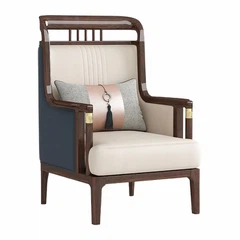
Now, if you're in the market for an oak tea table, you're in luck. We offer a wide range of high - quality oak tea tables that are built to last. We also have some great配套 products like Natural Wood Table and Chairs and Solid Wood Tea Chair. And if you're looking for something to display or protect your table, check out our Wooden Frame Mount.
We understand that choosing the right furniture for your space and climate can be a bit overwhelming. That's why we're here to help. Whether you have questions about how a particular table will react in your climate or you need advice on maintenance, just reach out. We're happy to have a chat and help you make the best decision for your needs.
If you're interested in our products or want to learn more about oak tea tables, don't hesitate to get in touch. We're always ready to have a friendly conversation and assist you in your purchase. Feel free to contact us to start the procurement negotiation process. I'm confident that we can find the perfect oak tea table and related products for you.
References
- "Wood Handbook: Wood as an Engineering Material" by the Forest Products Laboratory
- "Understanding Wood: A Craftsman's Guide to Wood Technology" by R. Bruce Hoadley