

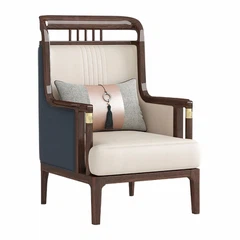
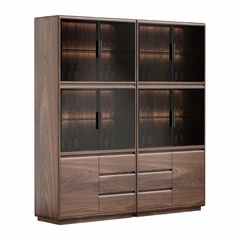
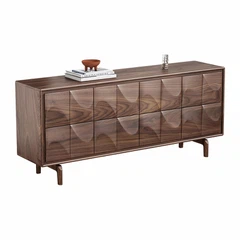
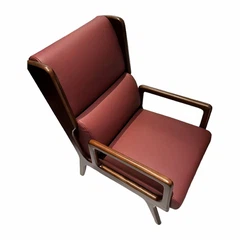
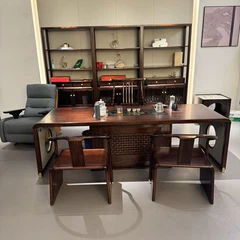
The weight of a wooden tea cabinet is a crucial factor that many customers consider when purchasing. As a supplier of wooden tea cabinets, I've encountered numerous inquiries about this aspect. In this blog, I'll delve into the various elements influencing the weight of wooden tea cabinets and why it's significant for both customers and us as a supplier.
Factors Affecting the Weight of Wooden Tea Cabinets
Wood Species
The type of wood used is one of the most significant determinants of a wooden tea cabinet's weight. Different wood species have varying densities. For example, oak is a dense and heavy - wood. It is known for its durability and strength. An oak wooden tea cabinet will be considerably heavier compared to one made from pine. Pine is a softer and less dense wood, which results in a lighter tea cabinet.
Mahogany is another popular choice. It has a medium - to - high density, giving it a substantial feel. The weight of a mahogany tea cabinet can be a sign of its quality and longevity. On the other hand, bamboo, although a sustainable option, is relatively light. Its hollow structure contributes to its lower weight, making it a great choice for those who need a more portable tea cabinet.
Cabinet Size
The dimensions of the tea cabinet play a vital role in determining its weight. A larger tea cabinet will naturally require more wood, thus increasing its overall mass. A small, single - door tea cabinet might be light enough to move around easily, perhaps weighing around 20 - 30 kilograms. In contrast, a large, multi - door and multi - shelf tea cabinet can weigh well over 100 kilograms.
The height, width, and depth of the cabinet all contribute to its volume, and with a greater volume of wood used, the weight goes up. For instance, a tall and wide tea cabinet with deep drawers and compartments will hold more wood and be much heavier than a short and narrow one.


Design and Construction
The design of the tea cabinet also affects its weight. A cabinet with elaborate carvings, intricate details, and additional decorative elements will require more wood. These detailed features not only add aesthetic value but also increase the quantity of material used, thus bumping up the weight.
Moreover, the construction method matters. A tea cabinet assembled with heavy - duty joinery, such as dovetail joints, will be sturdier and likely heavier than one with simple nail - and - glue construction. The use of additional support structures, like internal braces or thick panels, can also add to the weight of the cabinet.
Why the Weight of a Wooden Tea Cabinet Matters
For Customers
- Portability: If a customer needs to move the tea cabinet frequently, a lighter option is more suitable. For example, someone who moves houses often or has a small space where the cabinet might need to be re - arranged regularly will prefer a lighter tea cabinet. On the other hand, if the cabinet is meant to be a permanent fixture in a large, well - established tea room, weight might not be as much of a concern.
- Quality Perception: In many cases, customers associate weight with quality. A heavier tea cabinet is often perceived as being more solid and durable. A well - made, heavy cabinet can give the impression of a long - lasting investment, which is especially important for a piece of furniture that will be used for storing valuable tea collections and tea - related items.
For Suppliers
- Shipping and Handling: The weight of the tea cabinet directly impacts shipping costs. Heavier cabinets require more resources to transport, including more fuel for delivery trucks and stronger packaging materials. This can affect our pricing strategy and competitiveness in the market.
- Storage: When storing wooden tea cabinets in our warehouse, weight is a consideration. Heavier cabinets need more robust storage racks and can take up more space due to more careful stacking requirements.
How to Estimate the Weight of a Wooden Tea Cabinet
As a supplier, we have developed some methods to estimate the weight of our tea cabinets. We use the known density of the wood species and the volume of the cabinet. First, we calculate the volume of the cabinet by multiplying its length, width, and height. Then, we multiply the volume by the density of the wood.
For example, if we are using oak with a density of approximately 750 kg/m³. If a tea cabinet has a volume of 0.2 m³, we can estimate its weight by multiplying 0.2 m³ by 750 kg/m³, which gives us 150 kg. This is a simplified calculation, as it doesn't take into account the design features and internal structures, but it provides a good starting point.
Our Product Range and Weight Variations
We offer a wide range of wooden tea cabinets, each with different weights depending on the factors mentioned above. Our Wooden Furniture Tea Table collection includes tea cabinets made from different wood species. The pine ones are relatively light, perfect for those on a budget or in need of a portable option.
Our Organic Wood Side Table series features cabinets with unique organic - inspired designs. These cabinets often have more complex structures and can be heavier, but they also offer a high level of craftsmanship.
For customers looking for a complete tea - drinking set, our Natural Wood Table and Chairs collection includes tea cabinets that are part of a coordinated set. The weight of these cabinets can vary depending on the size and wood used, but they are all designed to complement the accompanying table and chairs.
Conclusion
In conclusion, the weight of a wooden tea cabinet is influenced by factors such as wood species, size, design, and construction. It is an important consideration for both customers and suppliers. As a supplier, we strive to provide a diverse range of tea cabinets to meet different customer needs, whether it's a lightweight and portable option or a heavy, solid piece for long - term use.
If you're interested in our wooden tea cabinets or have any questions about their weights, construction, or other features, we welcome you to reach out to us for a procurement discussion. We're here to help you find the perfect tea cabinet for your space and needs.
References
- Wood Density Chart: A guide to the densities of different wood species.
- Furniture Manufacturing Handbook: Information on cabinet design and construction methods.