

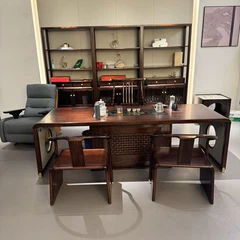

When it comes to organic wood side tables, the choice of wood plays a crucial role in determining the table's appearance, durability, and overall quality. As an organic wood side table supplier, I have extensive experience working with various types of wood. In this blog, I will introduce some of the commonly used woods for organic wood side tables.
Oak
Oak is one of the most popular choices for organic wood side tables. It is known for its strength, durability, and beautiful grain patterns. There are two main types of oak: red oak and white oak.
Red oak has a more open grain structure, which gives it a rustic and bold appearance. It is relatively easy to work with and can be stained to achieve a variety of colors. Red oak is often used in traditional and country - style side tables.
White oak, on the other hand, has a tighter grain and is more resistant to moisture and decay. It is commonly used in outdoor furniture as well as high - end indoor side tables. White oak's natural color is a warm, golden - brown, which adds an elegant touch to any room. For example, a white oak side table can bring a sense of sophistication to a living room, especially when paired with modern or classic decor. You can find some inspiration for oak side tables in our Wooden Frame Mount collection, where the oak is used to create sturdy and stylish frames.
Maple
Maple is another excellent option for organic wood side tables. It is a hard, dense wood with a smooth, even texture. Maple has a light color, usually ranging from creamy white to pale yellow, which makes it a great choice for contemporary and minimalist designs.
One of the advantages of maple is its ability to take on a high - gloss finish. This gives the side table a sleek and modern look. Maple is also resistant to wear and tear, making it suitable for high - traffic areas. For instance, a maple side table in a hallway can withstand the daily bumps and scratches. If you are interested in maple side tables, you might also want to check out our Small Storage Hutch, where maple is used to create functional and stylish storage solutions.
Cherry
Cherry wood is prized for its rich, warm color and smooth grain. It starts out as a light pinkish - brown and darkens over time to a deep, reddish - brown hue. This natural aging process gives cherry side tables a unique and charming patina.
Cherry is a relatively soft wood compared to oak and maple, but it is still strong and durable. It is easy to work with and can be carved into intricate designs. A cherry side table can add a touch of luxury to a bedroom or a study. You can pair it with a Wooden Tea Cabinet to create a cozy and elegant tea - drinking corner.
Walnut
Walnut is a premium wood known for its dark, rich color and beautiful grain patterns. It has a smooth texture and a natural luster that gives it a high - end look. Walnut is strong and durable, making it suitable for long - lasting side tables.
Walnut side tables are often used in contemporary and luxury settings. The dark color of walnut can create a dramatic contrast when paired with light - colored walls or furniture. It is also a popular choice for modern minimalist designs, as its simple yet elegant appearance can enhance the overall aesthetic of a room.
Pine
Pine is a softwood that is commonly used for organic wood side tables, especially in more rustic or cottage - style designs. It has a light color and a distinctive grain pattern that gives it a natural and warm look.
Pine is relatively inexpensive compared to other woods, making it a budget - friendly option. It is easy to work with and can be painted or stained to match different decor styles. A pine side table can bring a cozy and inviting atmosphere to a living room or a bedroom.
Mahogany
Mahogany is a classic choice for high - end side tables. It has a rich, reddish - brown color and a fine, straight grain. Mahogany is strong, durable, and resistant to decay.
Mahogany side tables are often associated with traditional and elegant designs. They can add a touch of sophistication to any room, whether it is a formal dining room or a luxurious study. The natural beauty of mahogany makes it a timeless choice for furniture.
Teak
Teak is a tropical hardwood that is highly valued for its durability and resistance to moisture. It has a golden - brown color and a unique grain pattern. Teak is often used in outdoor furniture, but it can also be used for indoor side tables.


A teak side table can withstand the test of time, even in humid or damp environments. Its natural oils make it resistant to rot, insects, and weathering. Teak side tables are a great choice for coastal or tropical - themed rooms.
Bamboo
Bamboo is a sustainable and eco - friendly option for organic wood side tables. It is a fast - growing grass that has a unique appearance. Bamboo has a light color and a vertical grain pattern that gives it a modern and natural look.
Bamboo is strong and lightweight, making it easy to move around. It is also resistant to pests and decay. A bamboo side table can be a great addition to a contemporary or eco - conscious home.
In conclusion, there are many types of wood that can be used for organic wood side tables, each with its own unique characteristics and advantages. Whether you prefer the rustic charm of oak, the sleekness of maple, or the luxury of walnut, there is a wood that will suit your style and needs.
If you are interested in purchasing organic wood side tables or have any questions about our products, please feel free to contact us for a procurement discussion. We are committed to providing high - quality organic wood furniture and excellent customer service.
References:
- "The Wood Database": A comprehensive resource for information on different types of wood, including their properties, uses, and characteristics.
- "Furniture Making Magazine": Articles and guides on furniture design and construction, with a focus on different wood species.