

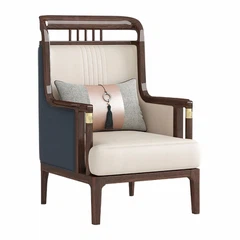
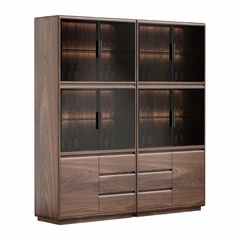
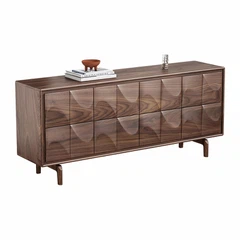
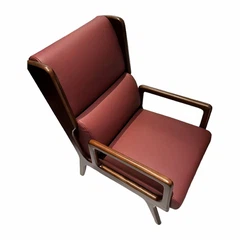
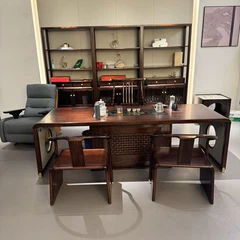

I. Market Strategy: Precision Positioning
Stop chasing the mass market. Focus on strategic niches:
North America: Target the "Heirloom Quality" segment. Emphasize durability and handcrafted customization for the premium middle class.
Europe: Lead with "Eco-Minimalism." Combine Eastern Zen aesthetics with strict sustainability certifications (FSC/PEFC) to appeal to design-conscious consumers.
East Asia (Japan/Korea): Offer "Modern Heritage." Leverage shared cultural roots (Joinery/Sunmao) but adapt designs for contemporary, high-end living spaces.
Emerging Markets: Position as "Oriental Luxury." Use rare materials and master-designer endorsements to enter luxury residential and hospitality projects.
II. Brand Narrative: Redefining Value
Move beyond "Features" to "Philosophy":
From Timber to Story: Don't just sell wood; sell "Nature's Timeline." Use visual content to show how natural grains and sustainable harvesting create unique, living pieces.
From Craft to Wisdom: Rebrand "Handmade" as "The Wisdom of Joinery." Market it as a sophisticated, nail-free structural system that allows furniture to "breathe" and adapt to its environment.
From Furniture to Lifestyle: Transition from "Simplicity" to "Wabi-Sabi & Zen." Align products with aspirational concepts like the Mindful Study or the Social Living Hub.
III. Channels: The Omnichannel Ecosystem
Abandon the traditional B2B trading mindset for a Direct-to-Consumer (DTC) model:
Digital Core: The DTC website is your brand museum. Complement this with high-aesthetic content on Instagram, Pinterest, and YouTube to drive authority.
The Designer Network: Collaborate with local interior designers and boutique showrooms. They are the "gatekeepers" to high-net-worth clients.
Industry Presence: Use major fairs (Milan, High Point) not just for orders, but as brand rituals to launch new design languages.
IV. Operations: Cracking the Delivery Barrier
Localized Adaptation: Standardize for Western dimensions (e.g., bed heights) while developing modular solid wood designs that reduce shipping volume without sacrificing premium quality.
Fulfillment Revolution: Use a "Regional Hub + Local White-Glove Delivery" model. Real-time tracking and professional in-home assembly are essential for luxury trust.
Post-Purchase Community: Turn buyers into ambassadors by encouraging social sharing under branded hashtags, creating a global "user-gallery."
V. Roadmap to Leadership
Validation (Years 1-2): Confirm Product-Market Fit (PMF) in 1-2 niche markets via DTC and social media.
Expansion (Years 2-4): Scale through designer networks and establish "Experience Windows" (Showrooms) in global design capitals.
Leadership (Years 4+): Launch localized R&D and high-end brand collaborations to become a category leader.
Conclusion
Globalizing Chinese solid wood furniture is about Cultural Confidence. Success belongs to brands that speak the global language of design, deliver on the promise of craftsmanship, and offer a unique Chinese solution for "Poetic Living."